
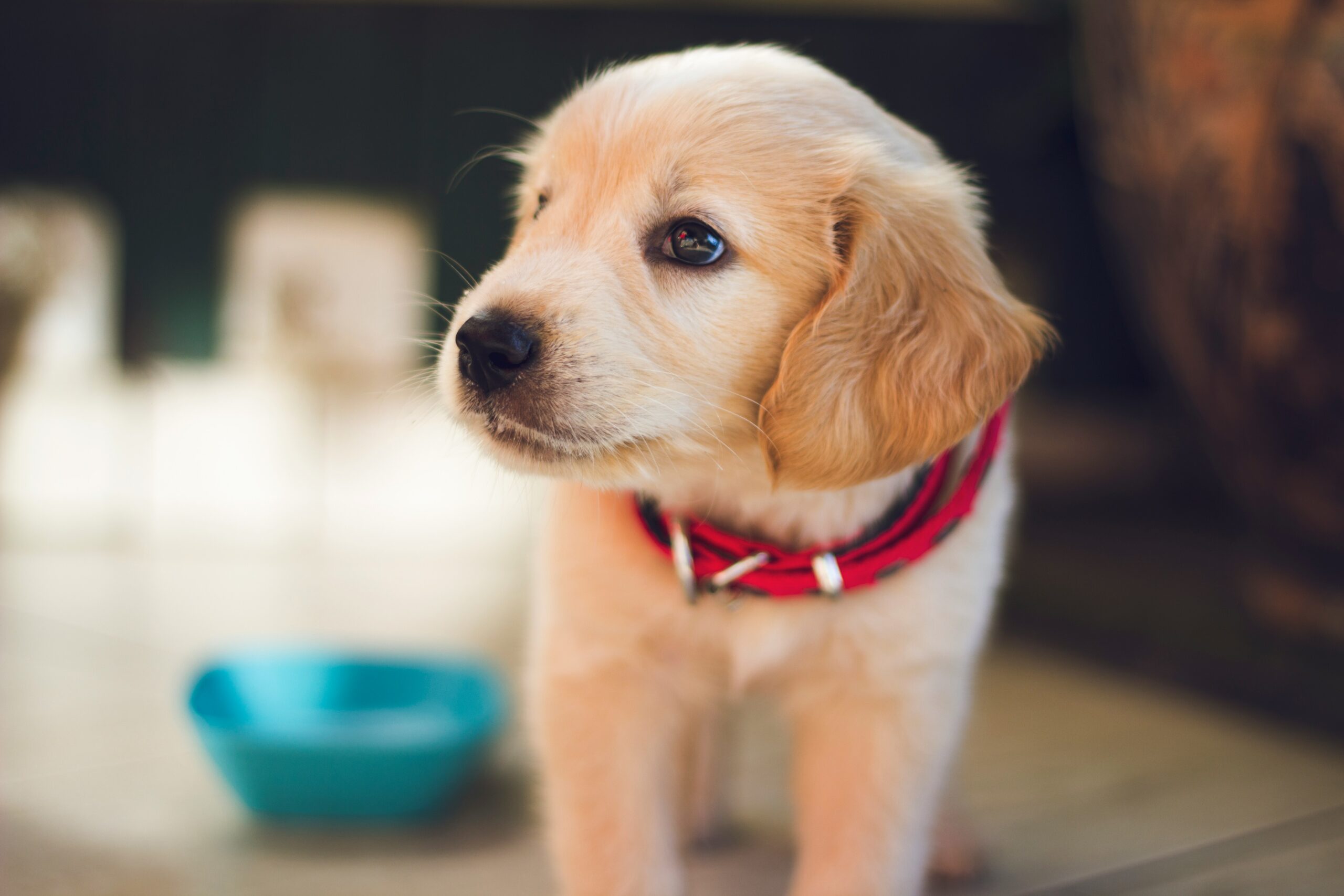
So, you’re getting a puppy? That’s amazing! I’ve brought home four puppies of my own and helped countless families welcome new pups into their homes. To make those first few weeks easier, here’s my list of puppy essentials and some recommendations based on years of experience.
The Must-Have Puppy Essentials
- Crate
- Bedding
- Toys
- Food & Water Bowls
- Food
- Veterinarian
- Groomer
- Collar, Harness & Leash
- Treats
Let’s break down each one.
Crate
We prefer foldable metal crates from Midwest. While there are less expensive options available, we’ve found that bargain crates often don’t stand up to determined puppy chewing.
Years ago, I purchased a budget crate, and a small puppy actually managed to separate some of the welded sections! A quality crate is an investment in your puppy’s safety and your peace of mind.
You’ll also want a plan to help your puppy feel comfortable in their crate during those first few days at home.
Bedding
Remember: puppies chew. For young puppies, I recommend starting with washable towels and blankets. Once your puppy is sleeping comfortably through the night and has adjusted to crate life, you can transition to a dog bed.
We’ve had good success with chew-resistant beds from KONG and K9 Ballistics. Even then, keep in mind that some dogs are incredibly determined and can destroy almost anything!
Toys
Play is essential for both physical and mental development. Choose toys that fulfill your puppy’s natural needs:
For Chewing:
These can help soothe teething puppies and encourage appropriate chewing behavior.
For Chasing:
- Flirt poles
- Balls
- Fetch toys
Just remember—not every dog instinctively understands fetch. If your puppy chases the toy but doesn’t bring it back, that’s completely normal.
For Foraging:
Puzzle toys are fantastic, but simple DIY enrichment can be just as effective. Try:
- Hiding treats around the yard
- Filling a cardboard box with crumpled newspaper and treats
- Creating simple treasure hunts
Mental exercise can tire out a puppy just as effectively as physical exercise.
Bowls
I love stainless steel bowls.
They’re durable, easy to sanitize, and dishwasher-safe, which helps prevent bacteria buildup that can contribute to stomach upset.
Porcelain bowls are another good option, though I worry about breakage if a playful puppy decides to turn mealtime into a game.
Plastic bowls are generally my last choice since many puppies end up chewing on them after they’re finished eating.
Food
The age-old question: “What’s the best food for my dog?”
My recommendation:
- Ask your veterinarian.
- Talk with trusted dog professionals and experienced dog owners.
- Read ingredient labels carefully.
When evaluating a food, I look for:
- High-quality protein sources listed first
- Whole food ingredients
- Appropriate nutritional supplementation
There isn’t one perfect food for every dog, but there are many excellent options available.
Veterinarian
Ask friends and family for recommendations, read reviews, and schedule an introductory visit. Most importantly, know where your nearest urgent care and emergency veterinary clinics are located before you need them.
Groomer
Not every breed requires professional grooming, but if your puppy will need regular grooming throughout their life, start early.
We strongly recommend establishing a relationship with a groomer before your puppy completes all of their vaccinations. Many groomers offer introductory visits focused on positive experiences rather than full grooming appointments.
I’ve seen too many puppies come in for their first grooming experience at six months or older, only to require extensive mat removal or shaving. That can be stressful and overwhelming for a young dog. Early positive experiences help puppies learn that grooming is safe and enjoyable.
Gear: Collar, Harness & Leash
Your puppy doesn’t need expensive gear right away—they’ll likely outgrow it quickly. But a few quality puppy essentials. like a solid leash and collar, will go a long way.
Collar
Every puppy should wear identification. I also strongly recommend microchipping.
Harness
For small breeds and brachycephalic (flat-faced) dogs, we recommend harnesses that avoid pressure on the neck.
For larger dogs, a front-clip harness can be a helpful management tool while teaching leash manners.
Leash
This is one recommendation I feel strongly about: No retractable leashes.
Choose a standard 6-foot leash without bungee sections. They’re safer, easier to handle, and provide more consistent communication between you and your dog.
I also don’t recommend retractable leashes, slip leads, choke chains, or prong collars.
Treats
Anything your puppy loves! Having a variety of treats helps you reinforce good choices and keep training fun and motivating. The better the reward, the more likely your puppy is to repeat the behavior you want.
Final Thoughts
Raising a puppy is a wonderful adventure. Focus on building confidence, creating positive experiences, and setting your puppy up for success from day one. The goal isn’t perfection—it’s helping your puppy grow into a happy, well-adjusted companion. And with these puppy essentials to get you started, you’re already on the right track.
Happy Training!
-Shanthi and the Crew at School for Dogs